
Backup power
Generator transfer switch installation
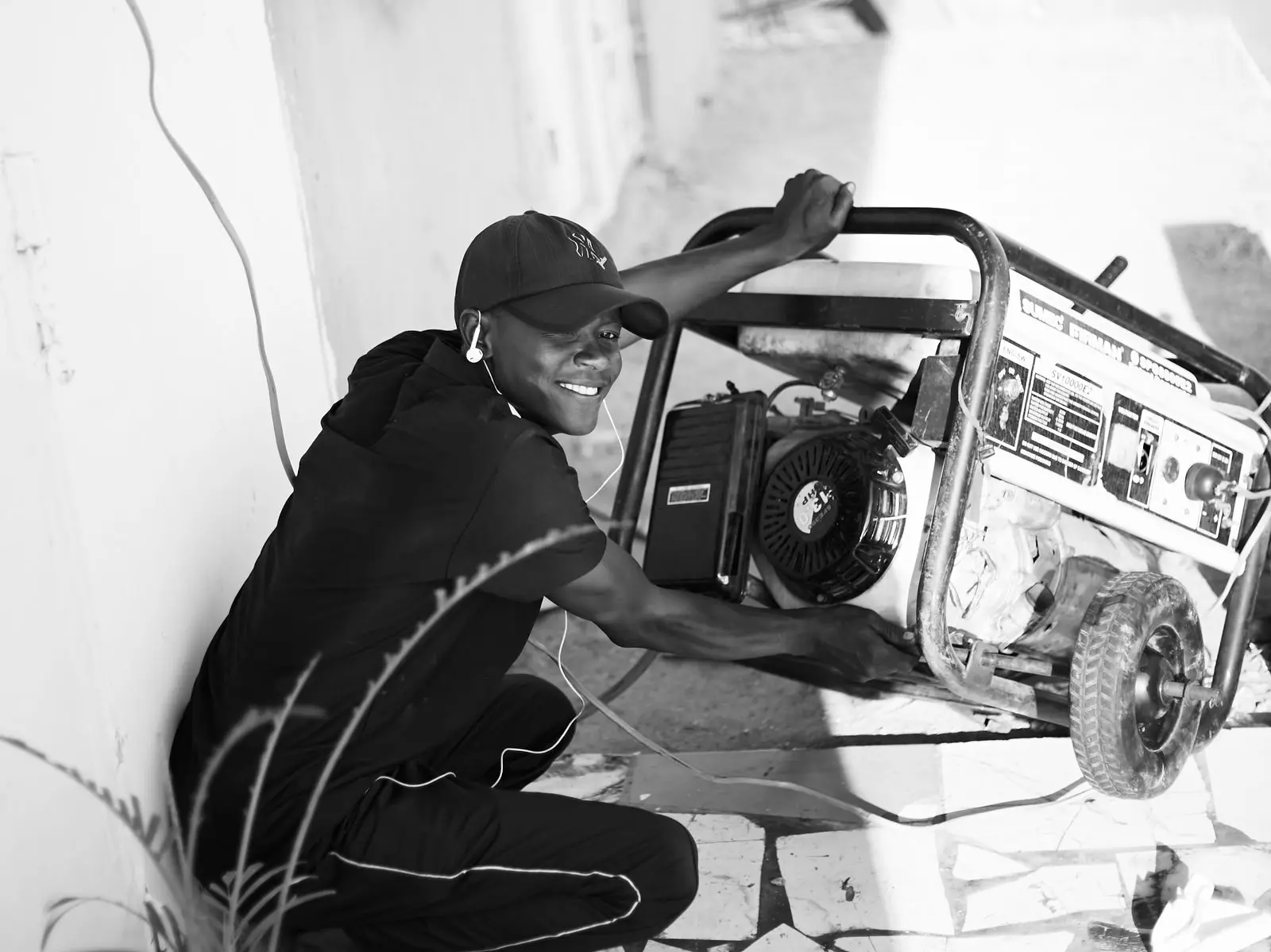
A portable generator may feed house wiring only through equipment that makes it impossible for generator power and utility power to meet. That means a transfer switch or a listed interlock kit, fed from an outdoor inlet box. Anything else is backfeeding.
Call availability varies by area and time of day. Calls are routed to an independent electrical contractor. Reviewed .
Three ways to connect a portable generator
| Method | How it works | Good for | Limits |
|---|---|---|---|
| Manual transfer switch | A small panel beside the main one. Six to ten chosen circuits are moved to it and switched between utility and generator one by one. | Simple operation, a fixed set of essential circuits | Only the pre-wired circuits can be powered |
| Interlock kit | A sliding plate on the main panel that lets either the main breaker or a generator backfeed breaker be on, never both. | Flexibility: any circuit in the panel can be used, within the generator's capacity | Must be a kit listed for that exact panel. You manage the load by hand |
| Automatic transfer switch | Senses the outage and switches by itself. | Standby generators | Not used with pull-start portables |
Why a double-male cord is never the answer
It energizes the utility line
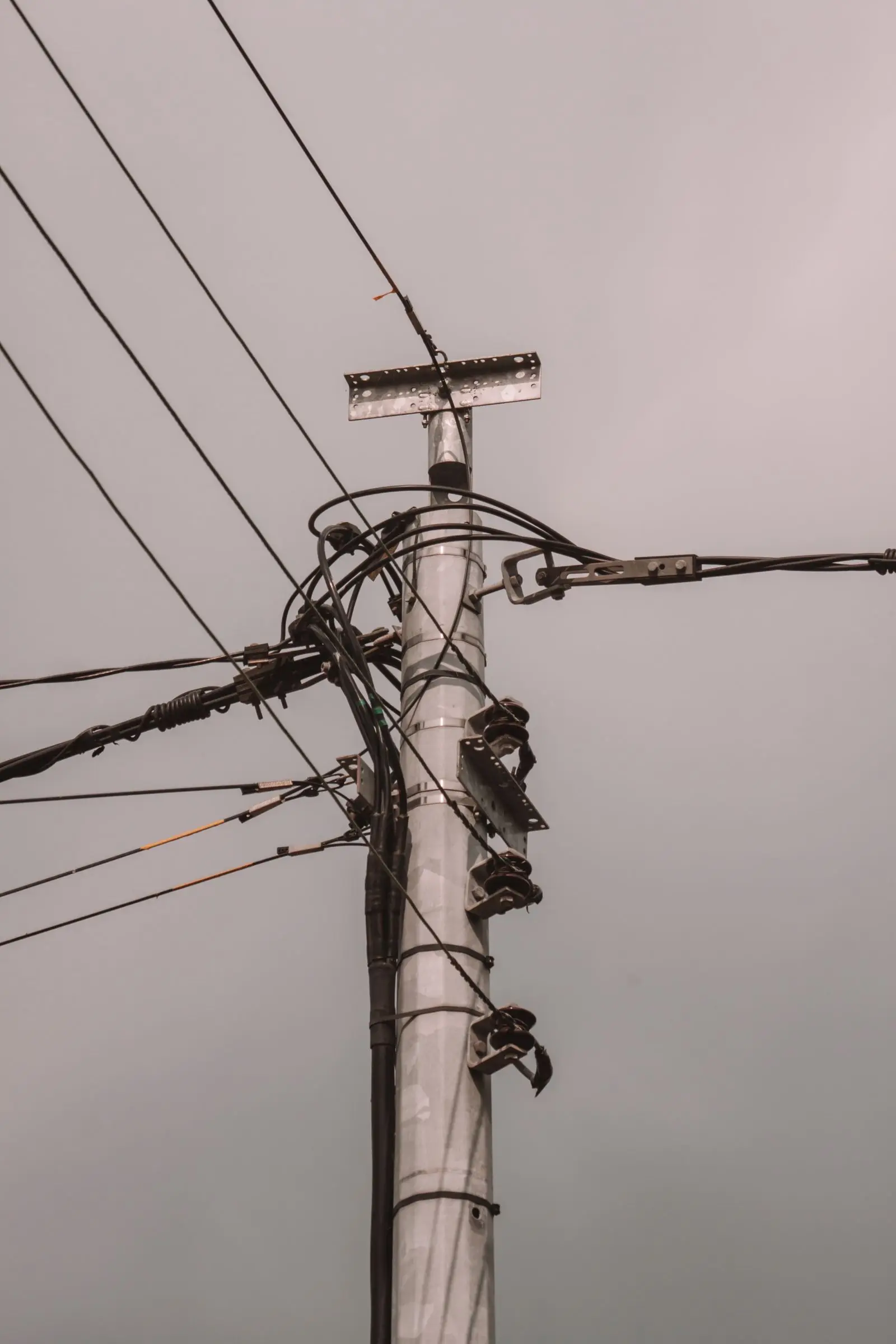
Power sent out through your panel is stepped up by the transformer on the pole to thousands of volts on a line that workers believe is dead.
The exposed prongs are live
The loose end of the cord carries full voltage in your hand.
When the utility returns
Utility and generator power collide, destroying the generator and often starting a fire.
It is illegal
It violates the electrical code everywhere and can void insurance cover.
What the installation includes
Match the generator
The inlet and cord are chosen for the generator's largest outlet, most often 30 amps (L14-30) or 50 amps (14-50).
Mount the inlet box
A weatherproof inlet goes on an outside wall where the generator can sit at least 20 feet from doors and windows.
Wire to the switch or panel
Cable runs from the inlet to the transfer switch or to a backfeed breaker fitted with the interlock.
Label and demonstrate
Generator circuits are labeled and the electrician walks you through the changeover in the correct order.
Permit and inspection
Required in most jurisdictions because the work changes the panel.
Two details that catch people out
The first is the generator's neutral. Some portables have the neutral bonded to the frame and some have it floating, and transfer equipment is designed for one or the other. A mismatch can trip the generator's GFCI outlets the moment it is connected. The electrician checks the generator's manual and chooses equipment to suit.
The second is expecting too much. A 7,500-watt portable will run a refrigerator, a furnace blower, a sump pump, lights and some outlets together. It will not start most central air conditioners. An interlock lets you choose circuits freely, so you also have to keep the total within what the generator can supply.
What households usually put on generator power
- Refrigerator and freezer
- The reason most people buy a generator.
- Furnace or boiler
- Gas and oil heat need electricity for blowers, pumps and controls.
- Sump pump or well pump
- Check the pump's starting current against the generator's surge rating.
- A few lighting and outlet circuits
- Including the one serving the internet router and phone chargers.
- Medical equipment
- Tell the electrician about it so that circuit is included, and register with the utility's medical baseline program if it has one.
Transfer equipment terms explained
- Backfeed
- Power flowing from the house out onto the utility line. Transfer equipment exists to make it impossible.
- Inlet box
- A weatherproof socket on the outside wall where the generator cord plugs in.
- Interlock
- A mechanical plate that stops the main breaker and the generator breaker being on together.
- Running and starting watts
- What an appliance draws steadily, and the brief higher draw as its motor starts.
What to have ready before a transfer switch quote
The generator model
Its wattage and its largest outlet type.
The circuits you want on backup
Refrigerator, furnace, pumps, some lights.
Where the generator will sit
At least 20 feet from doors and windows.
Transfer switch questions
Is an interlock kit legal?
Yes, where it is a kit listed for your specific panel and installed under a permit. A few jurisdictions and utilities restrict them, so the contractor should confirm locally.
Can my panel take an interlock?
Most current panels have a listed kit. Obsolete and some split-bus panels do not, which leaves a manual transfer switch or a panel replacement.
Can I run the generator in the garage with the door open?
No. Carbon monoxide builds up and drifts indoors. Keep the generator outside, at least 20 feet from the house.
What size transfer switch do I need?
It is matched to the generator's largest outlet, most often 30 or 50 amps.
What is the difference between a transfer switch and an interlock?
A transfer switch moves a fixed set of circuits. An interlock lets the whole panel be fed and leaves you to choose which breakers are on.
Does a transfer switch need a permit?
In most jurisdictions, yes, because it alters the panel.
Can I use an extension cord instead?
For a few plug-in appliances, yes, with cords rated for the load. It cannot power hard-wired equipment such as a furnace or well pump.
Talk to an electrician about generator transfer switch
Call to be connected with an independent electrical contractor near you, or leave your number and one will call back.
(888) 555-0167Call availability varies by area and time of day
Breakerwick is a referral service. Your call or request goes to an independent electrical contractor that sets its own prices and schedule. Ask for the license number, proof of insurance and a written scope before work starts. How this works
Request a callback
Leave a number and an electrical contractor in your area will call you.