
Safety and condition checks
Electrical inspection
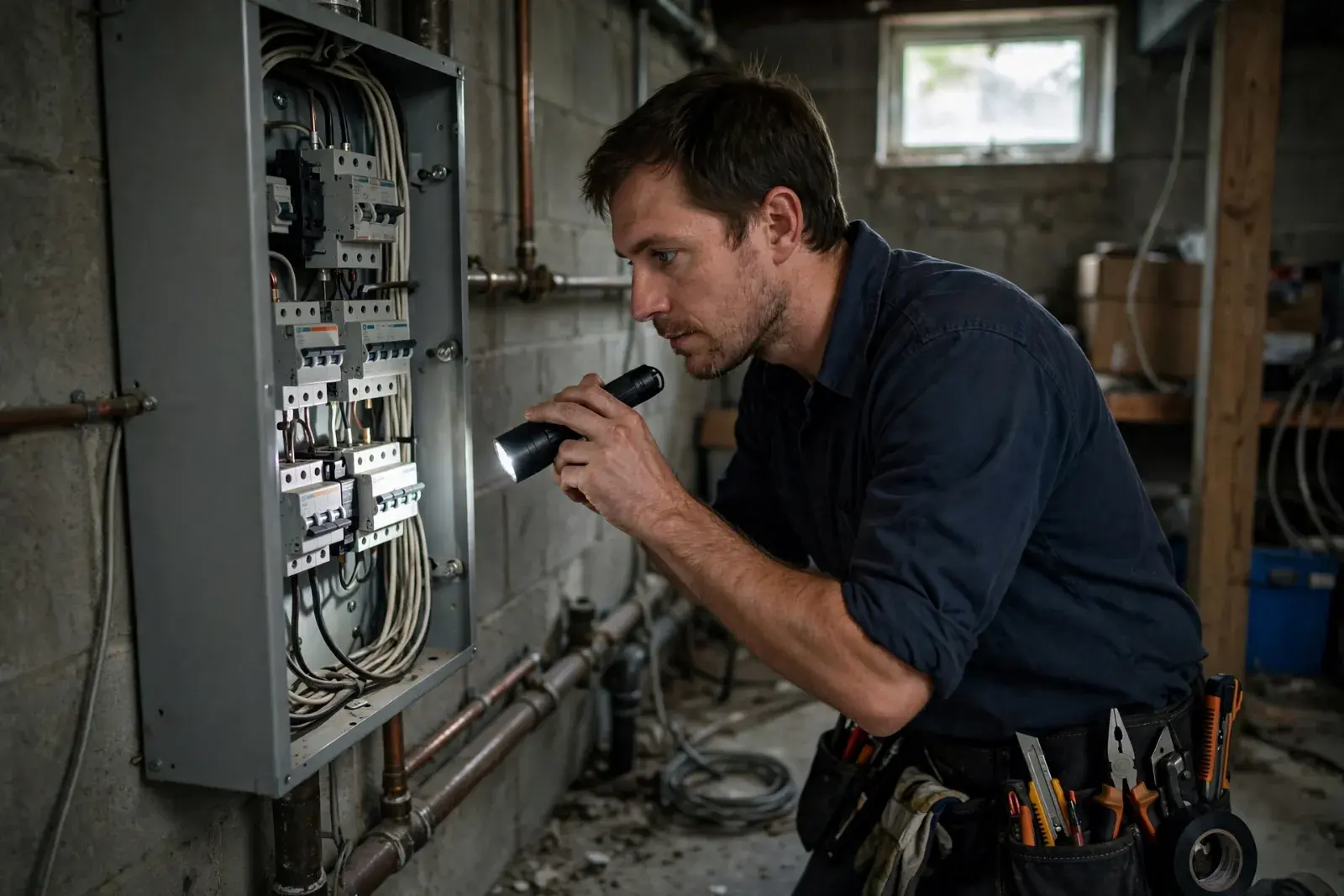
An electrical inspection by a licensed electrician is a condition report on the house's wiring: the service, the panel, the grounding, a sample of the devices and anything visibly wrong. It is different from the permit inspection a city performs on new work.
Call availability varies by area and time of day. Calls are routed to an independent electrical contractor. Reviewed .
Two things are called an electrical inspection
Electrician's safety inspection
- You hire it. It looks at the existing installation as a whole.
- Produces a written list of hazards, defects and suggested repairs.
- Useful before buying an older home, after a flood or fire, or when an insurer asks about the wiring.
Permit (code) inspection
- Done by the city, county or state inspector, or an approved third-party agency.
- Checks only the new work covered by a permit against the adopted code.
- Required before walls are closed and before the job is signed off.
A general home inspector also looks at the electrical system, but briefly. When the home inspector flags the panel or the wiring, the usual next step is the electrician's inspection described here.
What the electrician looks at
- Service and meter
- The size of the service in amps, the condition of the service cable, mast and meter socket, and signs of water entry.
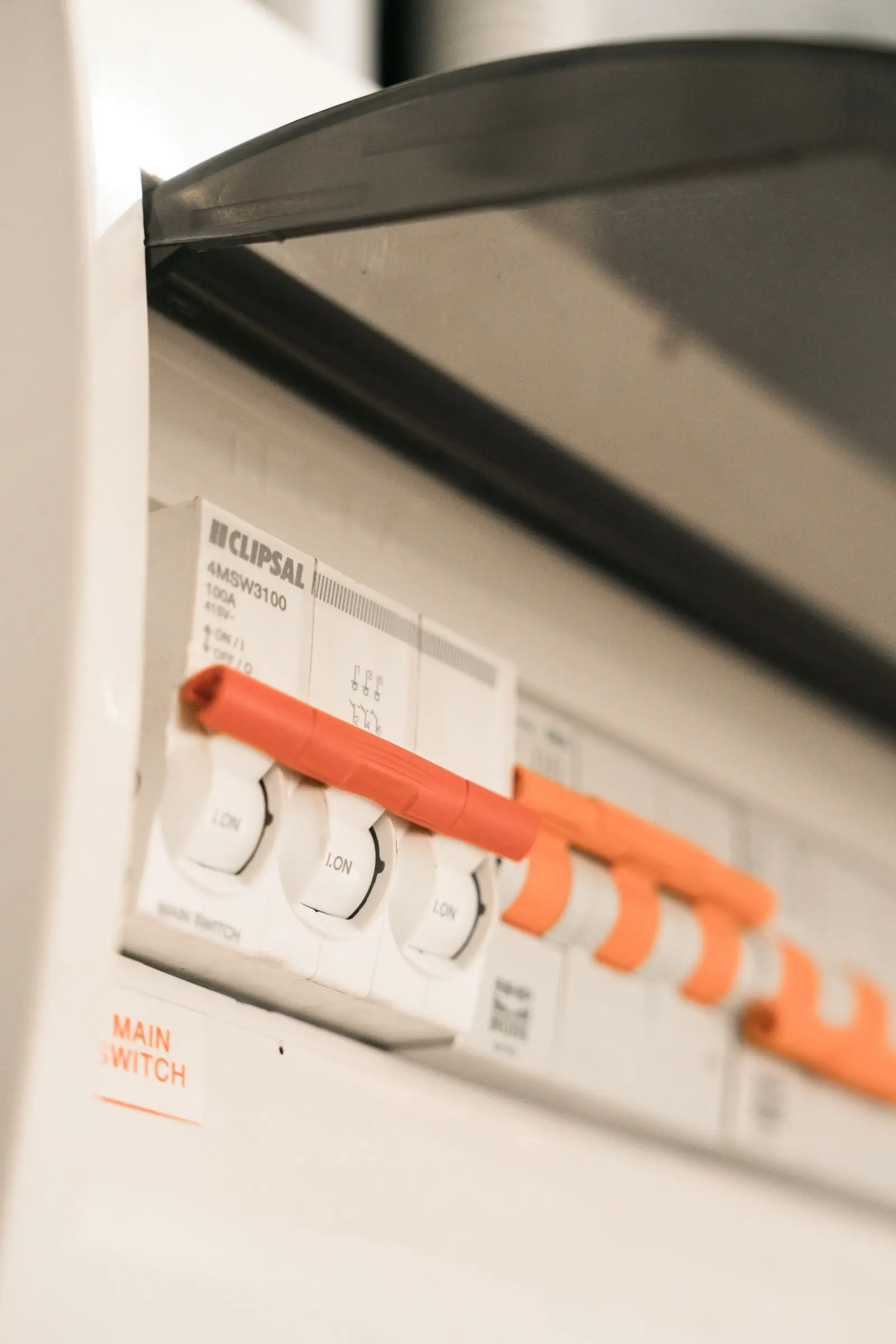
- Panel
- Brand and age, breaker condition, double-tapped breakers, scorched bus bars, missing knockouts and correct breaker sizes for the wire attached.
- Grounding and bonding
- The grounding electrode, bonding of water and gas piping, and whether neutrals and grounds are separated where they should be.
- Branch wiring
- Wire type and insulation, including aluminum branch wiring and knob-and-tube.
- Protection
- Whether GFCI protection exists where water is present and whether AFCI protection exists where the local code requires it.
- Devices and fixtures
- A sample of outlets tested for polarity and ground, plus any that are loose, warm or damaged.
Findings that usually carry the most weight
These are the items buyers, insurers and lenders tend to ask about.
Panels with a known defect history
Federal Pacific Stab-Lok and Zinsco panels are widely flagged by inspectors and insurers because of breakers that may fail to trip. See panel upgrades.
Fuse boxes and 60-amp services
Not unsafe by design, but undersized for a modern home and often refused by insurers.
Ungrounded outlets
Two-prong outlets, or three-prong outlets with no ground behind them.
Amateur wiring
Open splices, extension cords used as permanent wiring, and circuits added without a permit.
Heat damage
Discolored insulation or melted device bodies anywhere in the system.
When an inspection is worth booking
Book one before closing on a house more than about 40 years old, before a renovation that adds load such as a kitchen remodel or an EV charger, after any flood or fire, and when several small faults show up in a short time.
In Florida and some other coastal markets, insurers commonly ask for a four-point inspection covering the roof, plumbing, HVAC and electrical system on older homes. The electrical part records the panel brand, the wiring type and visible hazards. Requirements are set by each insurer.
An inspection is not a guarantee. Most wiring is hidden in walls, and the report describes what could be seen and tested on the day.
What happens after the report
Sort by risk
Ask the electrician to separate hazards that need action now from items that are simply old or below current code.
Know what is grandfathered
An installation that met code when it was built is usually allowed to remain. New work has to meet the current local code.
Get the repairs scoped
Each repair should name the work, the materials and whether a permit is needed.
Keep the paperwork
The report, permits and inspection sign-offs are what an insurer or a future buyer will ask for.
Inspection terms explained
- Authority having jurisdiction
- The city, county or state office that enforces the electrical code where the building stands.
- Grandfathered
- An installation that met the code when built and may stay as it is until altered.
- Double tap
- Two wires under a breaker terminal made for one. A frequent inspection finding.
- Bonding
- Connecting metal parts such as water and gas piping so they stay at the same voltage and a fault trips the breaker.
How to prepare for an inspection
Clear access to the panel
The inspector needs room to stand in front of it and remove the cover.
Attic and crawl space access
That is where wiring type and splices can be seen.
A list of known problems
Dead outlets, breakers that trip, lights that flicker.
Past paperwork
Permits, earlier reports and any insurer's letter that prompted the inspection.
Electrical inspection questions
How long does an inspection take?
For an average single-family home, usually one to three hours depending on size, age and how accessible the panel and attic are.
Will the power be turned off?
Briefly, if the panel cover is removed and individual circuits are tested. Tell the electrician about medical equipment or anything that must stay on.
Does an older house have to be brought up to current code?
Generally no, unless work is being done on that part of the system or a hazard exists. Rules on this vary by jurisdiction.
Can Breakerwick inspect my home?
No. Breakerwick is a referral service. The inspection is carried out by an independent licensed electrical contractor.
How often should a house have an electrical inspection?
There is no fixed interval for owner-occupied homes. Common triggers are buying a house, a major renovation, a flood or fire, or a home more than about 40 years old that has never had one.
What is the difference between a home inspection and an electrical inspection?
A home inspector looks at the whole house briefly and does not open devices. An electrician tests circuits, opens the panel and reports on the wiring in detail.
Can an inspection find problems inside the walls?
Only indirectly, through testing and what is visible at devices, the panel, the attic and the basement. Hidden wiring cannot be fully assessed without opening finishes.
Will an inspection satisfy my insurance company?
Each insurer sets its own form and requirements. Ask what they need before booking, so the report covers it.
How do I choose who does the inspection?
Use a licensed electrical contractor and check the license first. How to hire an electrician explains the lookup.
Talk to an electrician about electrical inspection
Call to be connected with an independent electrical contractor near you, or leave your number and one will call back.
(888) 555-0167Call availability varies by area and time of day
Breakerwick is a referral service. Your call or request goes to an independent electrical contractor that sets its own prices and schedule. Ask for the license number, proof of insurance and a written scope before work starts. How this works
Request a callback
Leave a number and an electrical contractor in your area will call you.