
Panels and service
Whole-house surge protection
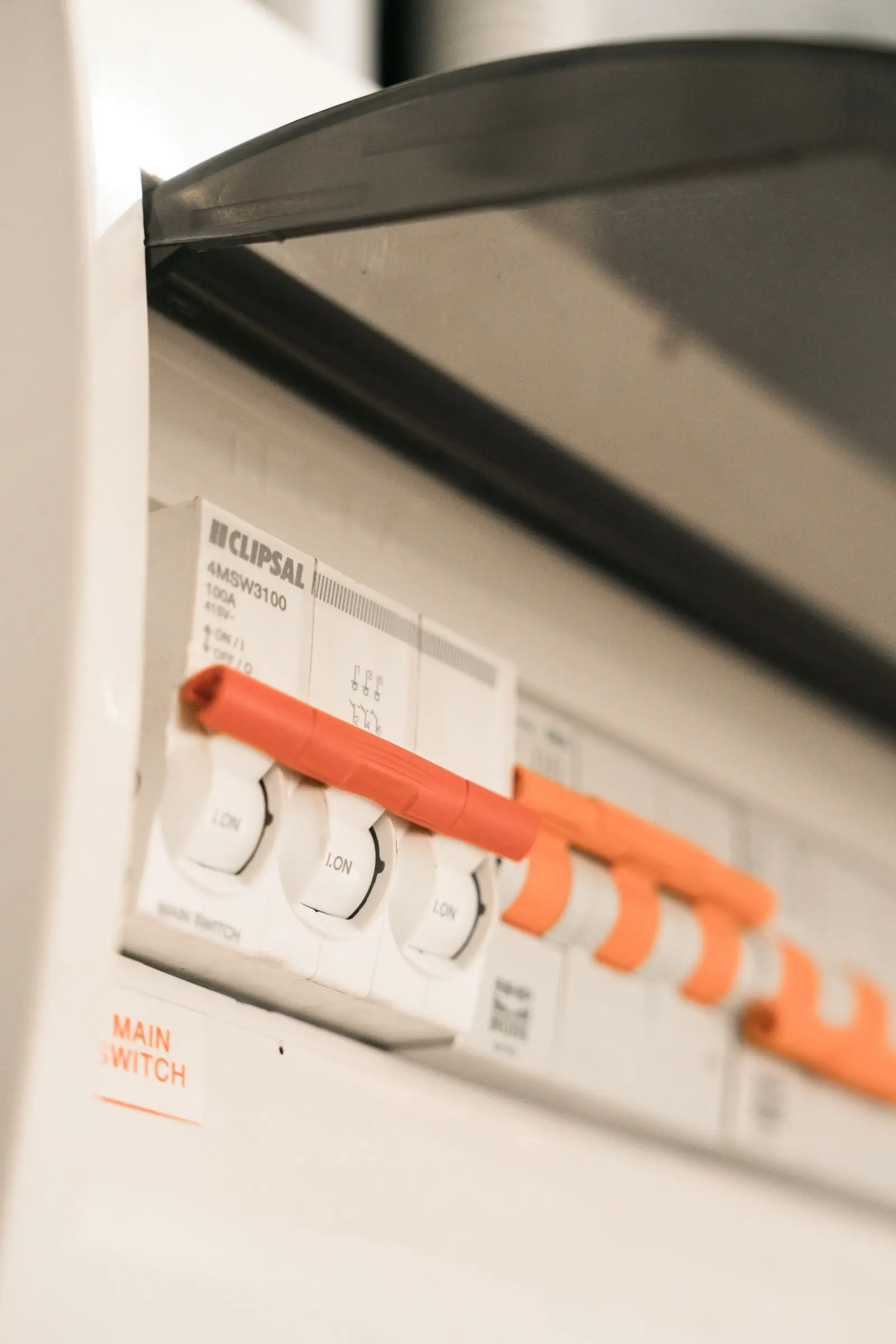
A whole-house surge protector is a device wired at the panel or the meter that diverts voltage spikes to ground before they travel down the branch circuits. It protects everything in the house at once, including hard-wired equipment that no power strip can reach.
Call availability varies by area and time of day. Calls are routed to an independent electrical contractor. Reviewed .
Where surges come from
Most surges are small and start inside the house, when motors and compressors switch on and off. The damaging ones are rarer and arrive from outside: lightning near the lines, utility switching, and power returning after an outage.
- Internal
- Air conditioners, refrigerators, well pumps and power tools. Small, frequent, and a slow wear on electronics.
- External
- Lightning on or near utility lines, damaged lines touching, and restoration after outages.
- Not a surge
- Sustained over-voltage from a failed neutral. A surge protector cannot ride this out; it is a service fault that needs the utility. See flickering lights.
Type 1 and Type 2 devices
Type 1
- Installed on the line side of the main breaker, often at the meter
- Sometimes supplied by the utility as a meter-base adapter on a monthly fee
- Sees the surge before it reaches the panel
Type 2
- Installed in or beside the panel on a two-pole breaker
- The most common residential installation
- Also clamps surges generated inside the house
Many devices sold for homes are listed as both types. What matters more is that the device is listed to UL 1449 and that its leads are kept as short and straight as possible.
The ratings worth comparing
| Rating | What it means | Better is |
|---|---|---|
| Voltage protection rating (VPR) | The voltage the device lets through during a standard test surge | Lower |
| Nominal discharge current (In) | The surge current it withstands repeatedly in testing | Higher |
| Surge current capacity (kA) | The largest single surge it is built to divert | Higher, within reason |
| Status indication | A light or alarm showing the protection has been used up | Present and visible |
Surge devices are sacrificial. After a large event the indicator may show the device needs replacing.
Why point-of-use protectors still matter
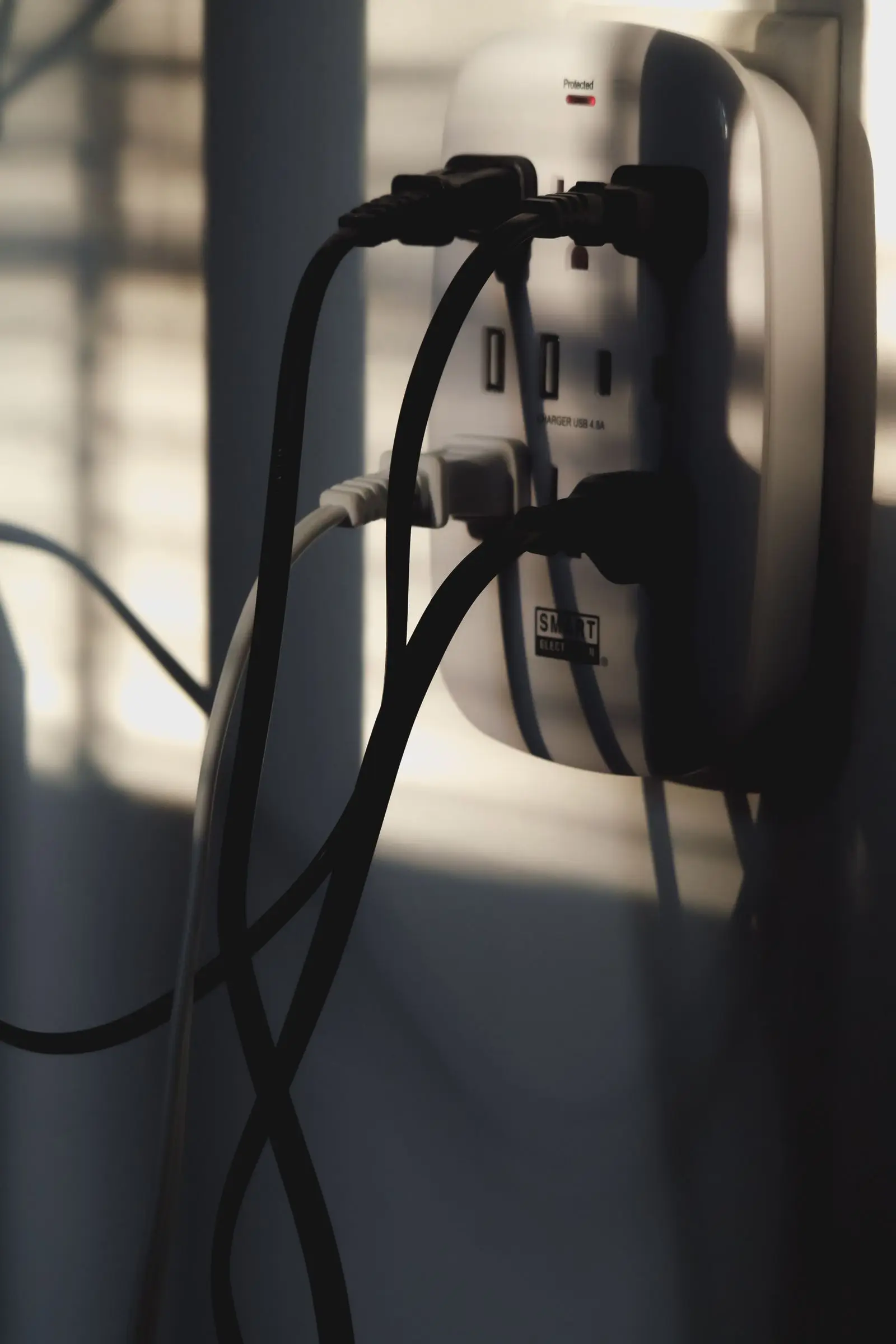
A panel device lowers a large surge to a level that equipment can usually survive. A good plug-in protector at sensitive electronics then trims what is left. Used together they are more effective than either alone.
Surges also enter on cable, phone and antenna lines. Protection on the power side does nothing for those paths, so equipment connected to both needs protection on both.
No surge device protects against a direct lightning strike to the building. That is the job of a lightning protection system, which is a separate trade.
What installation involves
- Panel space
- Most Type 2 devices need a two-pole breaker. A full panel may need circuits rearranged.
- Short leads
- Every extra inch of wire raises the let-through voltage, so the device is mounted as close to its breaker as possible.
- Good grounding
- A surge device is only as good as the grounding system it diverts to. Poor grounding is fixed first.
- Code requirements
- Editions of the National Electrical Code from 2020 onward require surge protection on new and replaced dwelling services. Whether that applies depends on the edition your jurisdiction enforces.
Surge terms explained
- SPD
- Surge protective device, the code term for a surge protector.
- Clamping
- Diverting the excess voltage of a surge to ground.
- MOV
- Metal oxide varistor, the component inside most surge devices that does the clamping and wears with use.
- Joule rating
- How much surge energy a plug-in protector can absorb before it is used up.
What to check before adding surge protection
The panel brand and free spaces
Most devices need a two-pole breaker position.
Grounding
Ask for the grounding electrode and bonding to be checked at the same visit.
Other paths
Note cable, phone and antenna lines entering the house.
Surge protection questions
Will it protect against lightning?
It helps with surges from nearby strikes that arrive on the utility line. It will not protect against a direct strike to the house.
How long does a surge protector last?
It depends on how many surges it absorbs. Check the indicator light a few times a year and after any major storm.
Can it be added to any panel?
To most panels in good condition. It should not be added to a panel that is damaged or has a known defect history; replace the panel first.
What does a whole-house surge protector actually protect?
Everything fed from the panel, including hard-wired equipment such as the furnace, air conditioner, range and well pump.
Do I still need power strips with surge protection?
Yes for sensitive electronics. The panel device takes the bulk of a surge and the plug-in protector trims what is left.
Is surge protection required by code?
Editions of the National Electrical Code from 2020 require it on new and replaced dwelling services. Whether that applies to you depends on the edition your jurisdiction enforces.
How long does a surge protector take to install?
Usually under two hours in a panel with a free two-pole space and sound grounding.
Talk to an electrician about whole-house surge protection
Call to be connected with an independent electrical contractor near you, or leave your number and one will call back.
(888) 555-0167Call availability varies by area and time of day
Breakerwick is a referral service. Your call or request goes to an independent electrical contractor that sets its own prices and schedule. Ask for the license number, proof of insurance and a written scope before work starts. How this works
Request a callback
Leave a number and an electrical contractor in your area will call you.