
Decision guide
Do I need an electrical permit?
Updated · Breakerwick editorial
Short answer
As a rule, replacing a device with the same kind of device does not need a permit, and adding, extending or altering wiring does. The exact line is drawn by your city, county or state, which is the authority having jurisdiction for your address.
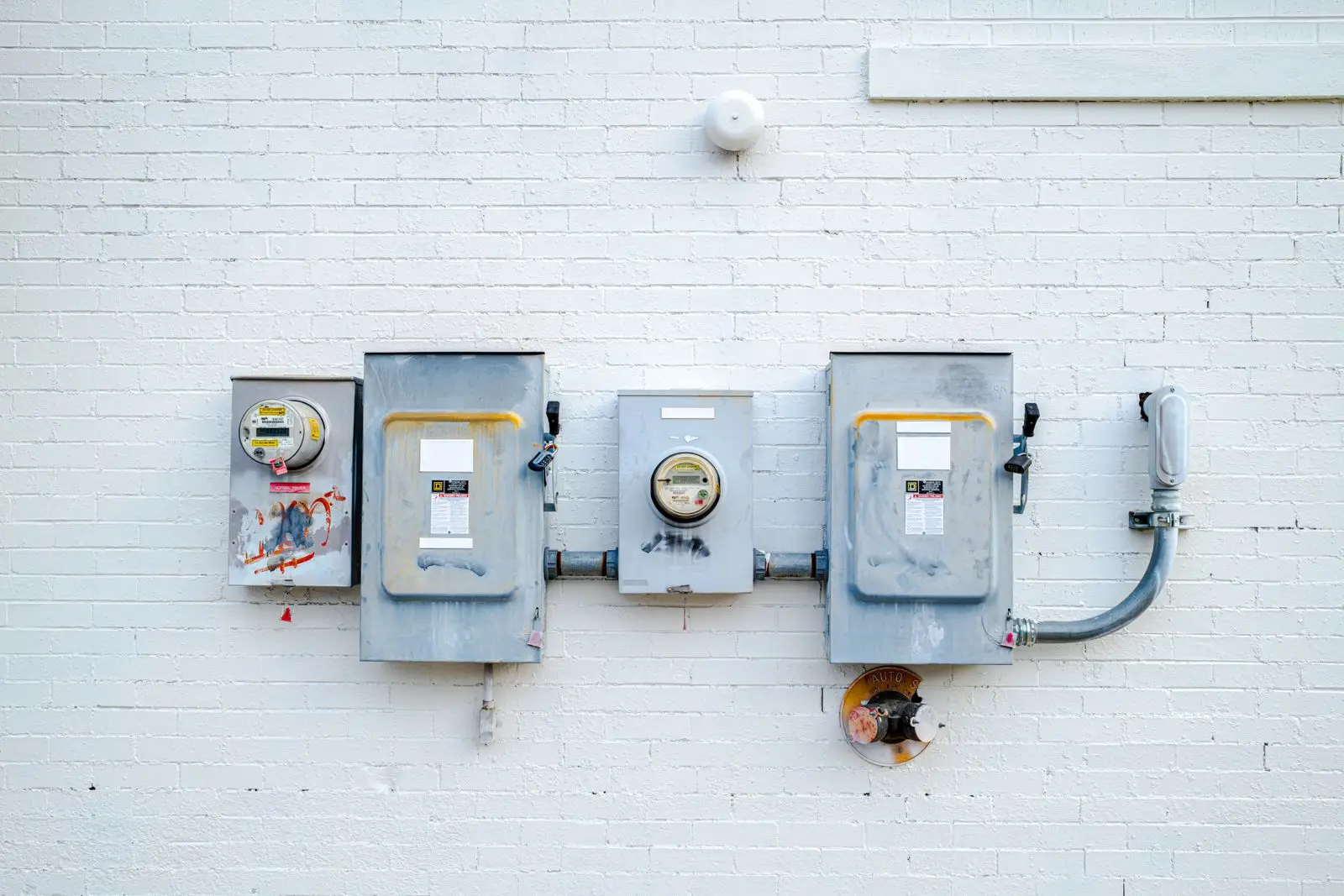
Typical permit requirements by job
This shows the common pattern across U.S. jurisdictions. Yours may be stricter or more lenient; the permit office gives the binding answer.
| Job | Permit usually needed? | Notes |
|---|---|---|
| Replace an outlet, switch or light fixture like for like | No | Some jurisdictions require one for any work by a contractor |
| Replace a breaker with the same type and rating | Often no | Varies |
| Add an outlet or light, extend a circuit | Yes | New wiring |
| New circuit, 240-volt outlet, EV charger | Yes | Often needs a load calculation |
| Panel replacement or service upgrade | Yes | Inspection required before the utility reconnects |
| Subpanel, generator transfer equipment | Yes | Alters the distribution system |
| Rewiring | Yes | Rough-in and final inspections |
| Low-voltage work: doorbells, thermostats, data cable | Usually no | Fire alarm and some security systems are separate |
Who pulls the permit
The person doing the work. When you hire an electrical contractor, the contractor applies under their license and is responsible for the work passing inspection.
- Homeowner permits
- Many jurisdictions let owners do electrical work on a single-family home they live in, sometimes after a short test. Others allow no homeowner electrical work at all. Rental and multi-family property is almost always excluded.
- A warning sign
- A contractor who asks you to pull an owner's permit for work they will do may be unlicensed, or may be shifting liability to you.
- Who the authority is
- Usually the city or county building department. In some states a state agency inspects electrical work, especially outside city limits. The state guides name the licensing body for each state.
How inspections work
Application
The contractor describes the work. Larger jobs include a load calculation or a simple plan.
Rough-in inspection
Cable, boxes and grounding are inspected while walls are still open. Nothing is covered until this passes.
Service inspection
For panel and service work, the inspector approves the installation and notifies the utility so power can be restored.
Final inspection
Devices, fixtures, panel labeling and GFCI and AFCI protection are checked with the power on.
Sign-off
Keep the final approval with the house records.
What skipping the permit can cost
At sale
Sellers are generally expected to disclose known unpermitted work, and buyers' inspectors look for it.
With an insurer
A claim involving unpermitted wiring gives the insurer a reason to investigate and, in some cases, to dispute it.
With the city
Retroactive permits can involve higher fees and opening finished walls so the wiring can be seen.
With safety
The inspection is a second qualified person checking the work. Skipping it removes that check.
Which code applies
Nearly every U.S. jurisdiction bases its rules on the National Electrical Code, which is revised every three years. Each state or city adopts an edition on its own schedule and often amends it, so neighboring jurisdictions can be enforcing different editions at the same time.
This matters in practice. Requirements for GFCI protection, arc-fault protection and surge protection have expanded with each edition, so the same job can need different parts in different places. Your contractor and the permit office work to the locally adopted edition, not the newest one in print.
Where to confirm
The National Fire Protection Association publishes the code and tracks adoption by state. Your local building department's website states the adopted edition and amendments, and which work is exempt from permits.
This guide is general information, not professional, legal or insurance advice. Electrical codes, permit rules and prices vary by location. Have a licensed electrician assess your installation, and confirm requirements with your local permit office.
Want a licensed electrician to look at it?
Call to be connected with an independent electrical contractor in your area, or leave your number for a callback.
(888) 555-0167Call availability varies by area and time of day
Breakerwick is a referral service. Your call or request goes to an independent electrical contractor that sets its own prices and schedule. Ask for the license number, proof of insurance and a written scope before work starts. How this works
Request a callback
Leave a number and an electrical contractor in your area will call you.