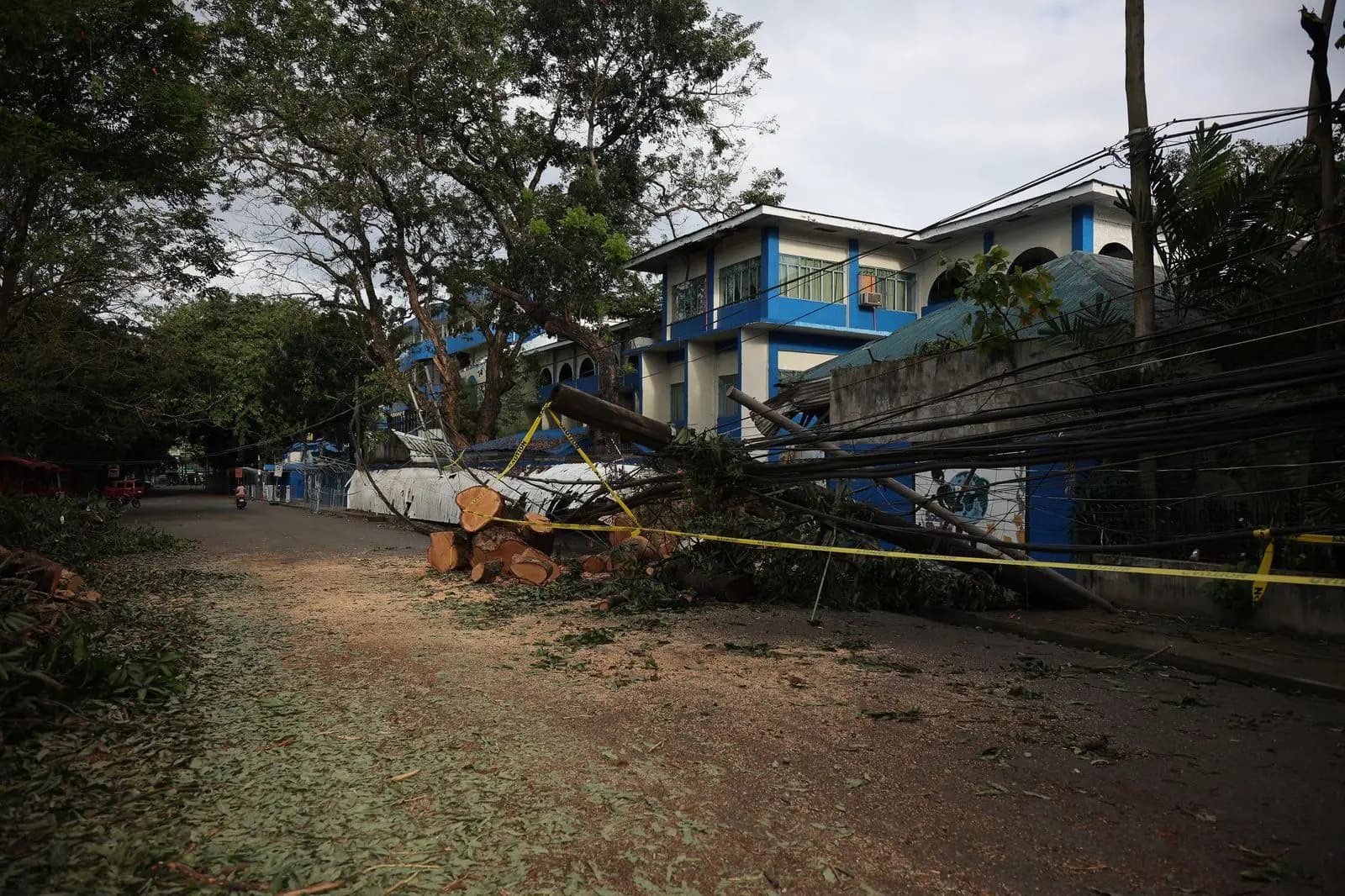
Smoke, flames, someone shocked or a power line down? Call 911 first and stay at least 35 feet from any downed wire.
Urgent electrical faults
Emergency electrician
If you see smoke or flames, or a power line is down, call 911 first. For a burning smell, sparking, a hot panel or power lost to part of the house, switch off what you safely can and call. Who you need depends on which side of the meter the fault is on.
Call availability varies by area and time of day. Calls are routed to an independent electrical contractor. Reviewed .
Who to call first
Three different responders handle electrical emergencies. Calling the right one first saves time.
- Act now
Fire, smoke, someone shocked or unresponsive, or a wire down on the ground, a car or a fence
Call 911. Stay at least 35 feet from a downed line and keep others away.
- Act now
The whole street is dark, the meter or the overhead service line is damaged, or lights surge bright and dim
Call your electric utility's outage or emergency line. The utility owns the line up to the meter.
- Act now
Burning smell, sparking outlet, hot or buzzing panel, a breaker that will not reset, water in electrical equipment
Switch off the affected breaker or the main if it is safe to reach, then call an electrician.
- This week
One dead outlet or light with no heat, smell or noise
This can wait for a normal repair visit.
Signs that should not wait until morning
A smell of burning plastic or fish
Overheating insulation and device bodies give off this smell before anything is visible. See electrical burning smell.
Outlets or switches that are hot or discolored
Warm dimmers are normal. A warm outlet, a hot switch or brown marks on a cover plate are not.
Crackling, sizzling or buzzing
Sound from a panel or device means arcing. See buzzing electrical panel.
Lights that go very bright, then dim
This points to a failing neutral on the service. It can destroy electronics and overheat wiring. Call the utility and an electrician.
A shock or tingle from an appliance or faucet
Something is energized that should not be. Stop using it and switch the circuit off.
Making the house safe while you wait
Do not touch the source
Leave a sparking or scorched device alone. Do not pull a plug from an outlet that is hot or smoking.
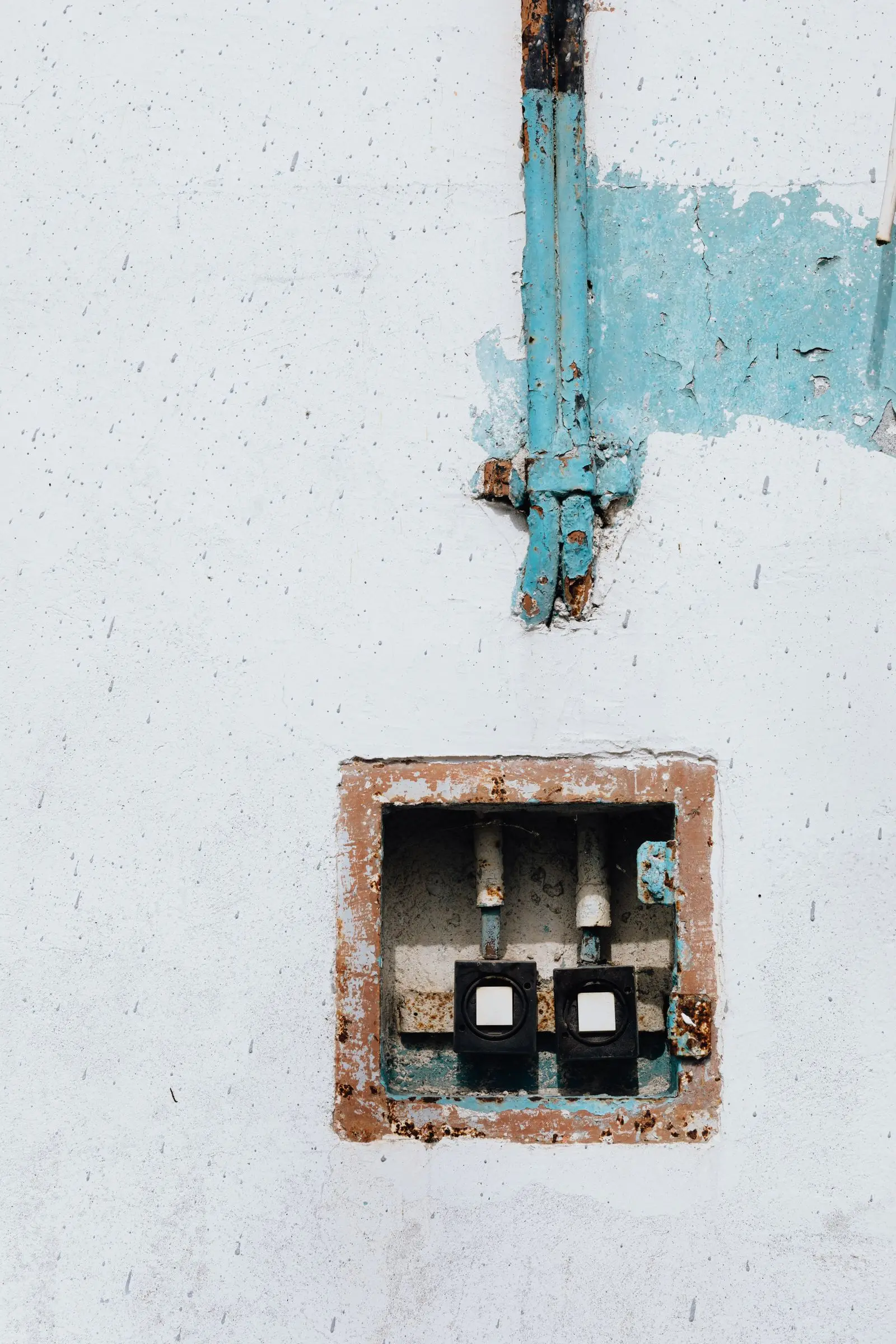
Switch off at the panel
Turn off the breaker for that circuit. If you cannot tell which one, or the panel itself is the problem and safe to approach, turn off the main.
Stay dry
Never stand in water to reach a panel. If the basement is flooded, stay out and call the utility to disconnect power at the meter.
Keep the area clear
Move people and pets away, and keep a fire extinguisher rated for electrical fires (Class C) within reach if you have one.
Call and describe it
Say what you saw, smelled or heard, what is switched off, and whether the house has power. That decides what the contractor brings.
After a storm or flood
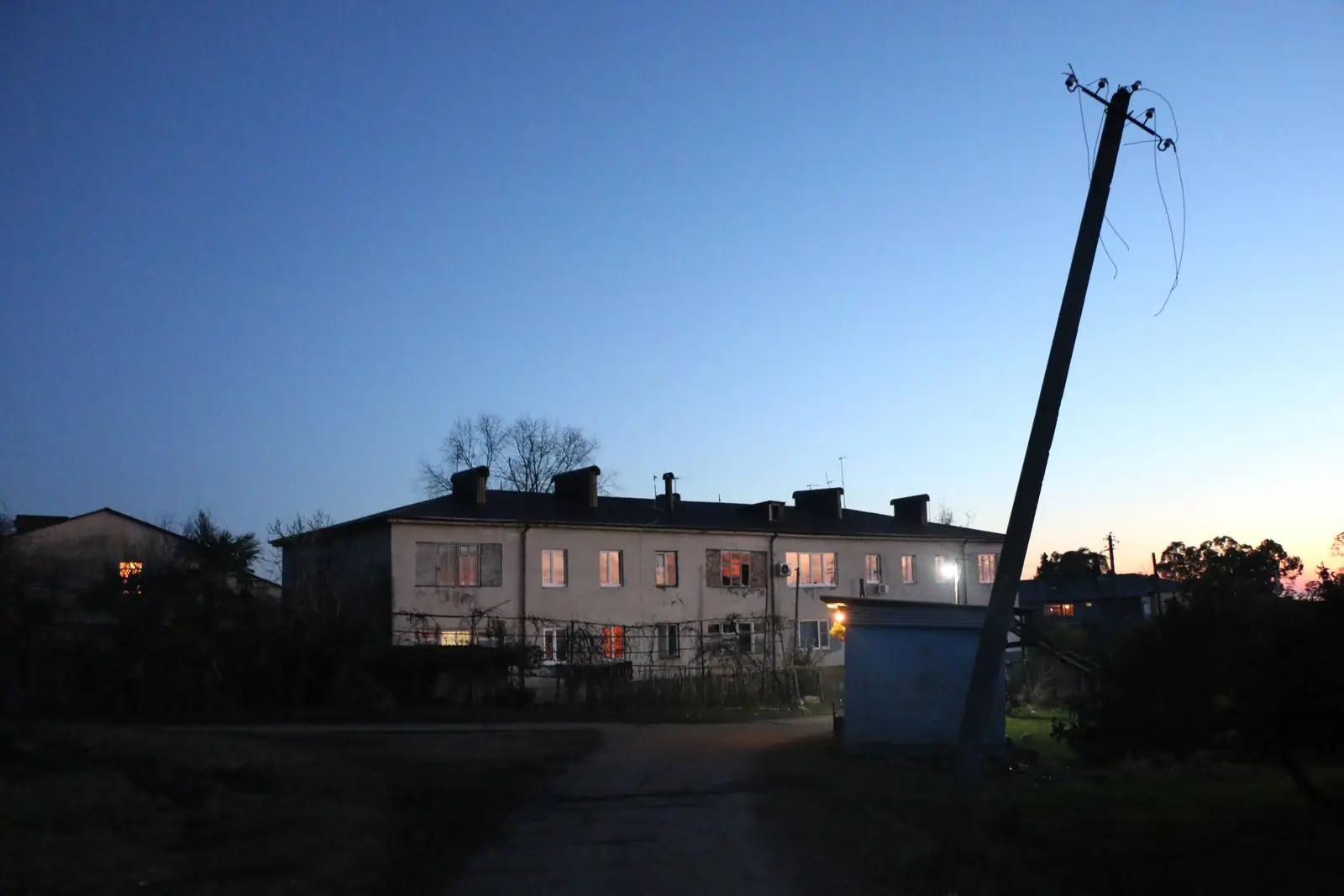
Storm calls split into two jobs. The utility restores the line to your house. An electrician repairs what belongs to the house: the mast and weatherhead on the roof, the meter socket in many areas, the service cable and the panel. If the mast has been pulled off the wall, the utility will usually not reconnect until an electrician has repaired it and, in most places, an inspector has approved it.
Floodwater ruins breakers, outlets and panels even after they dry, because silt and corrosion stay inside. Equipment that was submerged normally has to be replaced, not dried out. The guide to electrical safety after a storm or flood covers the order of work.
If you are running a portable generator, keep it outdoors and at least 20 feet from doors and windows, and never plug it into a wall outlet to feed the house. See generator transfer switches for the safe way to connect one.
What to expect from an after-hours call
- Availability varies
- Night and weekend coverage depends on the contractors in your area. Not every area has one on call at every hour.
- Make-safe first
- An emergency visit usually isolates the fault and restores as much power as is safe. A permanent repair may follow in working hours, especially if parts or a permit are needed.
- After-hours rates
- Contractors commonly charge more outside working hours. Ask for the call-out charge and hourly rate before they dispatch.
- Licensing still applies
- Urgency does not change who may legally do the work. Ask for the license number on the phone.
Emergency terms worth knowing
- Main breaker
- The largest breaker in the panel. Switching it off cuts power to every circuit, though the wires feeding it stay live.
- Service drop
- The utility's overhead wires from the pole to the house.
- Weatherhead and mast
- The pipe and cap on the house where the service drop attaches. They belong to the owner in most service areas.
- Make-safe
- Isolating a fault so it cannot cause harm, ahead of the permanent repair.
What to tell the electrician on an urgent call
What you saw, smelled or heard
Smoke, sparks, buzzing, a burning smell, and where it came from.
What is switched off
Which breakers you turned off, and whether the house still has power.
Whether water is involved
A leak, a flooded basement or storm water near the panel changes how the job is approached.
Anyone at risk
Medical equipment, people who cannot leave easily, or a blocked exit.
Emergency electrician questions
Is a tripped breaker an emergency?
Not on its own. A breaker that trips once and resets is doing its job. One that trips immediately, feels hot, or comes with a burning smell should stay off until it is checked.
The power is out only at my house. Who do I call?
Check the main breaker first. If it is on and the whole house is dead, call the utility: the fault is likely on their side or at the meter. If only some rooms are out, see partial power outage.
Should I use water on an electrical fire?
No. Use a Class C or ABC extinguisher only if the fire is small and you have a clear exit. Otherwise leave and call 911.
Does Breakerwick send the electrician?
Breakerwick connects your call to an independent electrical contractor that takes urgent work in your area, where one is available. The contractor sets the price and arrival time.
What counts as an electrical emergency?
Fire or smoke, a downed line, anyone shocked, a burning smell, sparking, a hot or buzzing panel, water in electrical equipment, or lights surging bright and dim.
How fast can an emergency electrician arrive?
It depends on who is on call in your area and the time of day. Ask for an arrival estimate when you call, and make the area safe in the meantime.
Should I turn off the main breaker in an emergency?
If the fault is on one circuit, switch off that breaker. If you cannot tell which, and the panel is not the source and is safe to reach, switch off the main.
What should I do if someone gets an electric shock?
Do not touch them while they are still in contact with the source. Cut the power if you can do it safely, call 911, and start CPR if they are not breathing and you are trained.
Is a sparking outlet an emergency?
A large, repeated or noisy spark, or one that leaves a mark, is. See sparking outlet for how to tell it from a normal spark.
Need an electrician to look at it today?
Call and describe what you saw, smelled or heard and what is switched off. You are connected with an independent electrical contractor that takes urgent work in your area, where one is available.
(888) 555-0167Call availability varies by area and time of day
Breakerwick is a referral service. Your call or request goes to an independent electrical contractor that sets its own prices and schedule. Ask for the license number, proof of insurance and a written scope before work starts. How this works
Request a callback
Leave a number and an electrical contractor in your area will call you.