
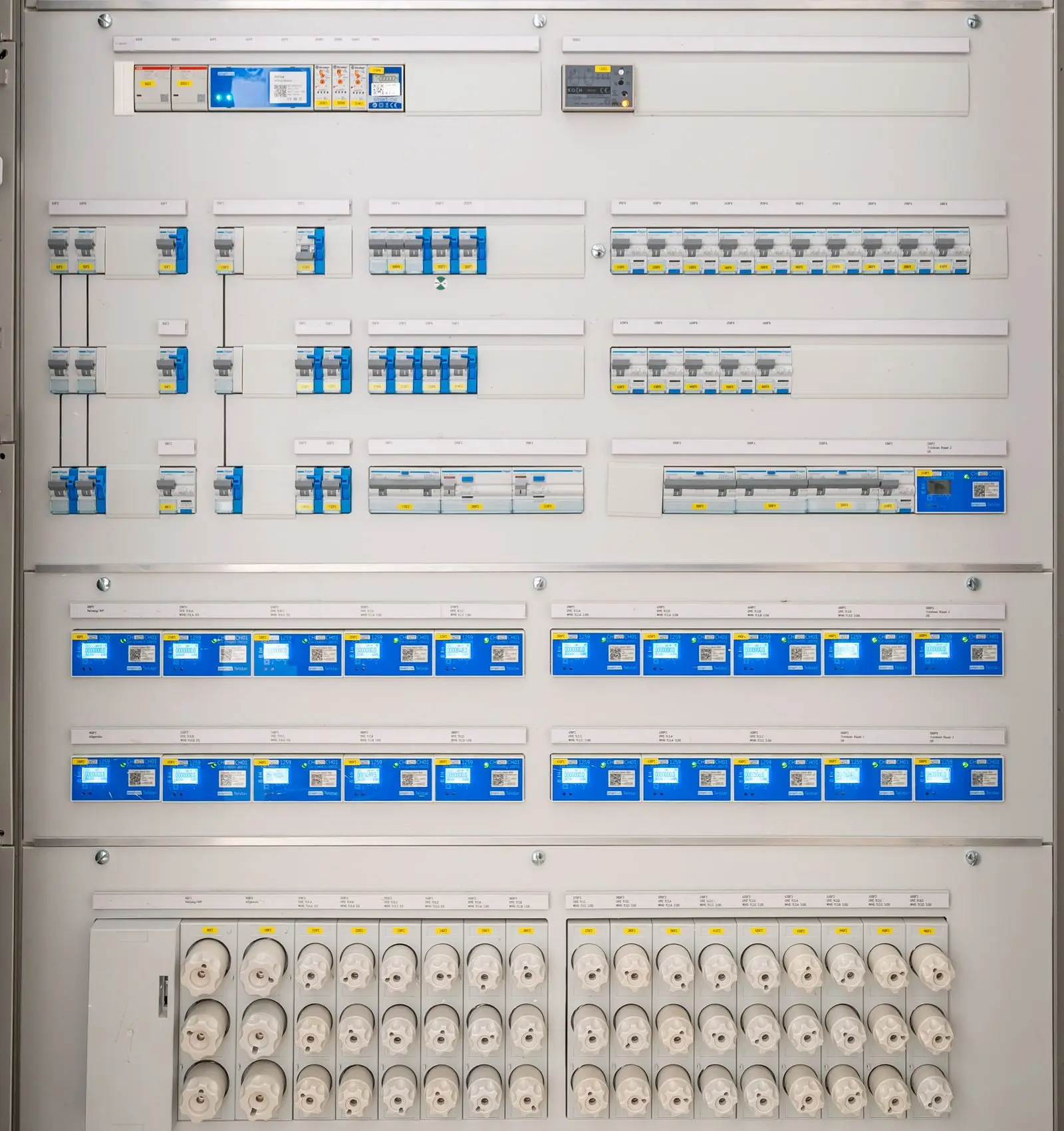
Panels and service
Subpanel installation
A subpanel adds breaker spaces, not power. It is the right answer when the main panel is full or far from where the new circuits are needed, and the service still has capacity. If the service itself is too small, a subpanel does not help.
Call availability varies by area and time of day. Calls are routed to an independent electrical contractor. Reviewed .
Subpanel, or a bigger service?
- Plan it
The main panel is full but the load calculation shows spare capacity
A subpanel next to the main panel adds spaces.
- Plan it
New circuits are needed far from the panel: a garage, workshop, addition or basement finish
A subpanel near the loads avoids many long cable runs.
- This week
The load calculation shows the service is at its limit
A service upgrade or a load management device is needed first.
- This week
The main panel is damaged or an obsolete brand
Replace the main panel. Feeding a new subpanel from a defective panel leaves the hazard in place.
How a subpanel is sized and fed
A subpanel is fed by a two-pole breaker in the main panel and a four-wire feeder: two hot conductors, a neutral and an equipment ground. The feeder breaker sets how much current the subpanel can draw in total. Common sizes are 60 and 100 amps.
The panel's own rating can be higher than its feeder breaker. A 125-amp panel on a 60-amp feeder is normal; it simply offers more spaces than amps. The size of the feeder is set by the loads planned for it, not by the number of breaker spaces.
Working clearance matters. The code requires clear space in front of every panel, and panels are not permitted in bathrooms or clothes closets. This often decides where the subpanel can go.
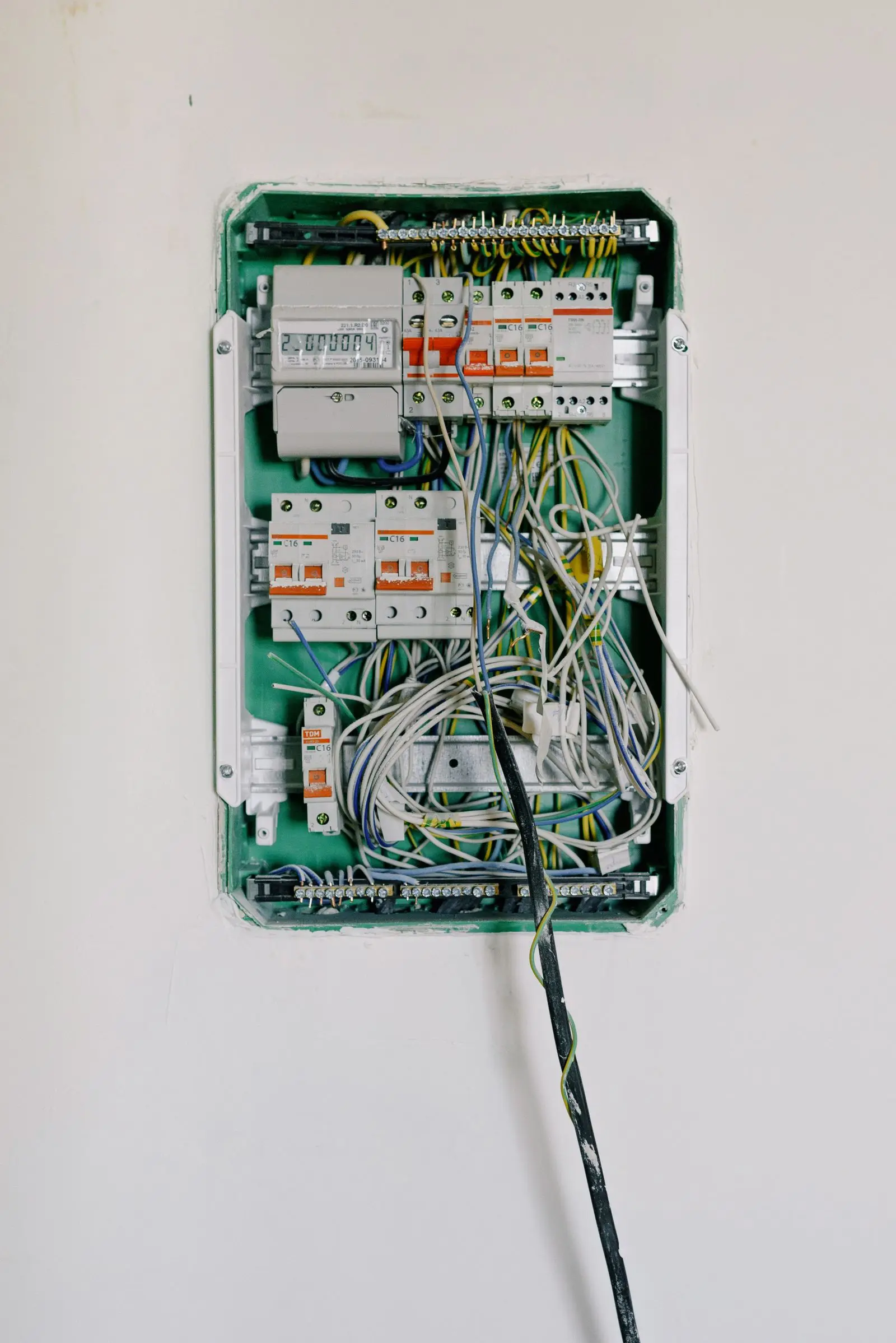
The detail that is most often wrong
Subpanels are a frequent source of inspection failures in owner-built and unpermitted work.
Neutrals and grounds must be separated
In a subpanel, the neutral bar is isolated from the metal cabinet and the grounds land on their own bar bonded to the cabinet. Joining them, as in a main panel, puts current on metal parts.
Three-wire feeders
Older subpanels fed with only three wires do not meet current rules for new work and are commonly flagged in inspections.
Oversized feeder breakers
The breaker in the main panel must match the feeder wire size, not the subpanel's label.
Subpanels in garages, sheds and other detached buildings
- Its own grounding electrode
- A detached building served by a feeder needs ground rods or another grounding electrode at that building, in addition to the ground wire in the feeder.
- A disconnect
- The building needs a means to shut off its power at or near where the feeder enters, often the subpanel's main breaker.
- Burial depth
- Underground feeders must be buried at the depth the code sets for the wiring method, and deeper under driveways. Call 811 before any trenching.
- Voltage drop
- Long runs to outbuildings often need larger wire than the breaker size alone would suggest.
How the job runs
Load calculation and location
The electrician confirms the service can carry the new loads and picks a location with legal clearance.
Permit
A subpanel is new work and needs a permit in nearly every jurisdiction.
Run the feeder
Cable or conduit is run from the main panel. This is usually the largest part of the labor.
Mount, terminate and label
The subpanel is set, the feeder landed, grounds and neutrals separated and every circuit labeled.
Inspection
The inspector checks the feeder, the terminations and the grounding before the job is closed.
Subpanel terms explained
- Feeder
- The cable or conduit run that carries power from the main panel to the subpanel.
- Main lug panel
- A panel with no main breaker of its own, protected by the feeder breaker upstream.
- Floating neutral
- A neutral bar isolated from the metal cabinet, as required in a subpanel.
- Voltage drop
- The loss of voltage over a long wire run, countered by using larger wire.
What to work out before a subpanel quote
What it will supply
List the circuits or equipment planned, now and later.
Where it could go
A wall with clear space in front, not a closet or bathroom.
The route from the main panel
Through a basement, attic, or a trench to another building.
Subpanel questions
Does a subpanel give me more power?
No. Everything it supplies still comes through the main service. It gives you more circuit spaces and puts them where they are needed.
Can a subpanel feed an EV charger?
Yes, if the feeder and the service have the capacity. See EV charger installation.
How many subpanels can a house have?
There is no fixed limit. The limit is the calculated load on the service and the space available in the main panel for feeder breakers.
What size subpanel do I need?
It follows from the loads it will carry. Sixty amps suits a few general circuits; a workshop or an EV charger usually calls for 100.
Does a subpanel need its own main breaker?
In the same building, no; the feeder breaker protects it. In a detached building a disconnect is required, and a main breaker in the subpanel commonly serves as one.
Does a subpanel need a permit?
Yes in nearly all jurisdictions, because it adds to the distribution system.
Can an apartment have a subpanel added?
It depends on the building's riser capacity and the owner's or board's approval. See electricians in New York City for how that works in older buildings.
Talk to an electrician about subpanel installation
Call to be connected with an independent electrical contractor near you, or leave your number and one will call back.
(888) 555-0167Call availability varies by area and time of day
Breakerwick is a referral service. Your call or request goes to an independent electrical contractor that sets its own prices and schedule. Ask for the license number, proof of insurance and a written scope before work starts. How this works
Request a callback
Leave a number and an electrical contractor in your area will call you.