
Backup power
Generator installation
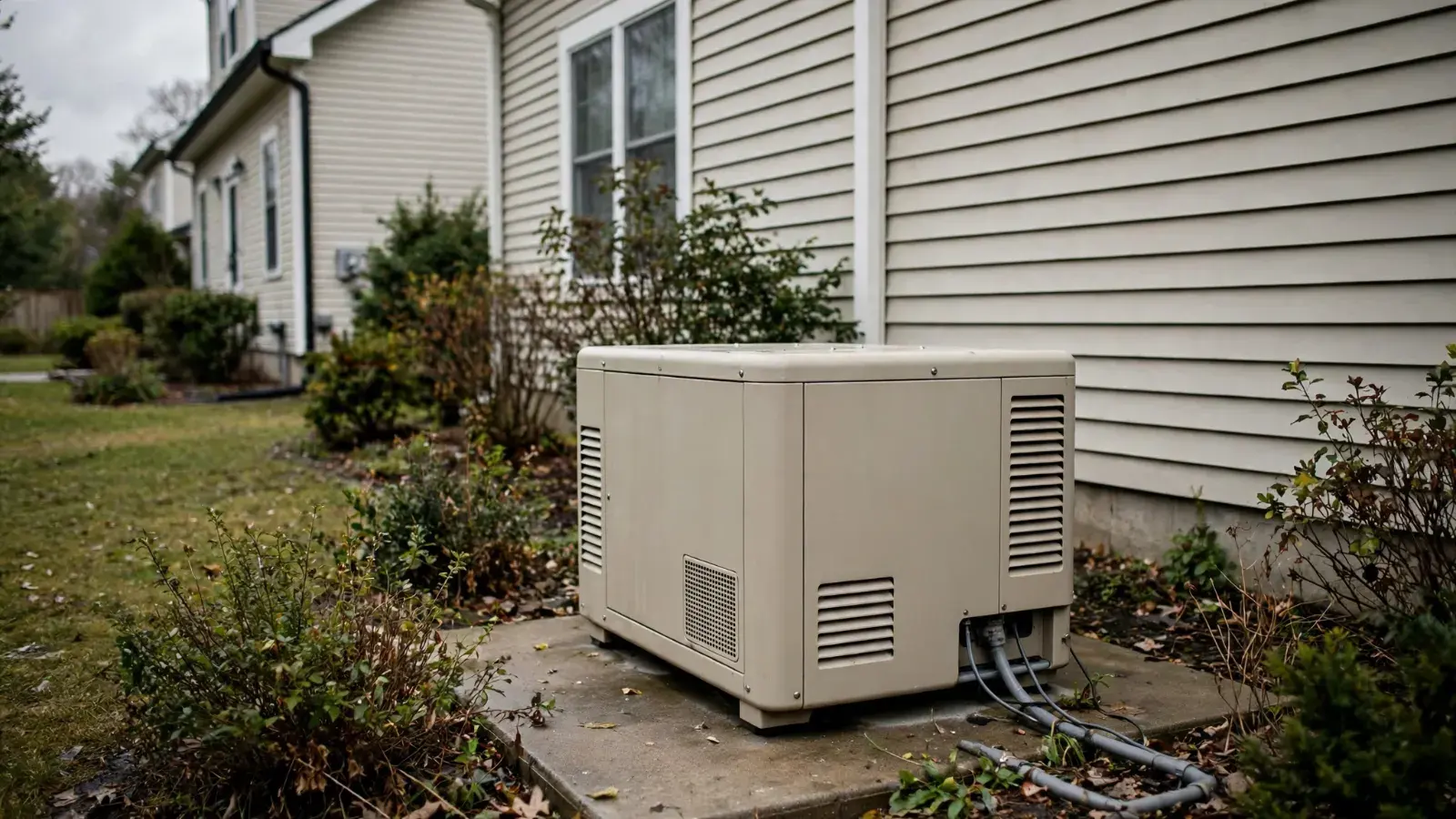
A standby generator sits outside permanently, runs on natural gas or propane and starts by itself when utility power fails. Installing one is three jobs under one project: a concrete or composite pad, a fuel connection and the electrical tie-in through a transfer switch.
Call availability varies by area and time of day. Calls are routed to an independent electrical contractor. Reviewed .
Standby or portable
Standby generator
- Permanently installed, starts automatically within seconds
- Runs on natural gas or propane, so no refueling in a storm
- Can carry the whole house or a chosen set of circuits
- Needs permits, a fuel connection and yearly maintenance
Portable generator
- Wheeled out and started by hand when needed
- Runs on gasoline or propane that you store
- Carries selected circuits through a transfer switch or interlock
- Far lower cost, more effort during an outage
How a standby generator is sized
Size follows the loads you want to run at the same time, and above all the starting current of the largest motor, usually the air conditioner or well pump.
- Essential circuits
- Refrigeration, furnace or boiler, sump or well pump, some lights and outlets. Smaller units cover this.
- Managed whole house
- A mid-size unit with load-shedding modules that hold back large appliances until there is capacity.
- Whole house
- Sized by a load calculation to carry everything, including central air conditioning.
- Fuel supply
- The gas meter and piping must be able to feed the generator at full load on top of the house's other gas appliances. Undersized gas supply is a common cause of problems.
Where the unit can go
Placement is set by the manufacturer's instructions, the fire and mechanical codes and local zoning. The installer and the permit office confirm the final position.
- Distance from openings
- Manufacturers commonly specify at least 5 feet from doors, windows and vents, to keep exhaust out of the house.
- Distance from the wall
- Varies by model. Many units are tested for placement as close as 18 inches from a noncombustible wall.
- Property lines and noise
- Zoning setbacks and noise ordinances apply in many towns.
- Flood level
- In flood zones the unit may need to be raised on a platform.
- Near the gas and electric meters
- Shorter gas and electrical runs lower the installation cost.
How the project runs
Site visit and load calculation
Sets the generator size, transfer switch type and location.
Permits
Usually an electrical permit and a gas or mechanical permit, sometimes zoning approval. Homeowner associations may also need to approve.
Pad and placement
The unit is set on a prepared base.
Gas connection
Done by a licensed gas fitter or plumber, or by the propane supplier. The utility may need to upgrade the gas meter.
Electrical tie-in
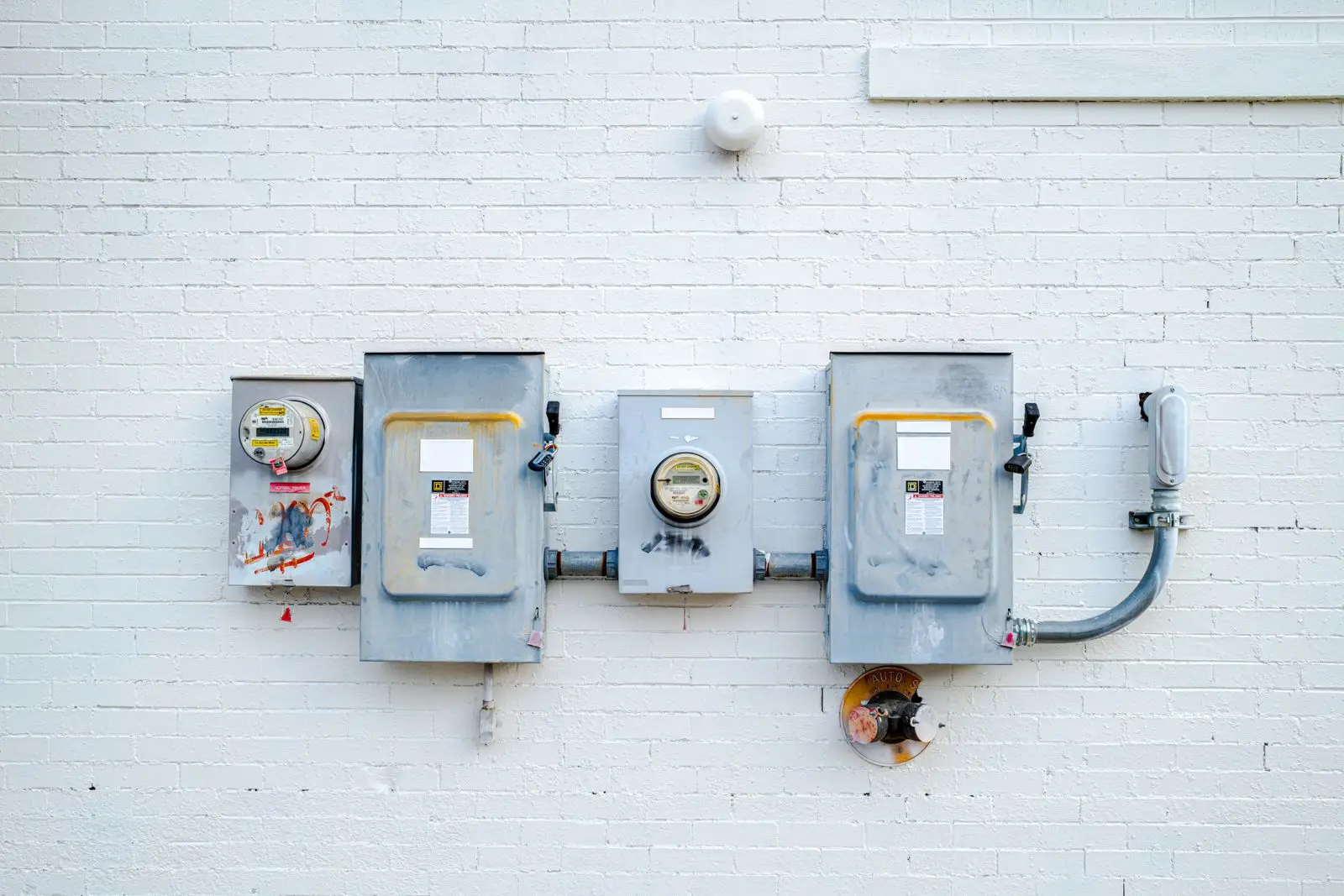
The automatic transfer switch is installed between the meter and the panel, which requires the power to be off for several hours.
Start-up and inspection
The unit is commissioned, a simulated outage is run and the inspections are closed.
Safety points that apply to every generator
Carbon monoxide
Portable generators are run outdoors only, at least 20 feet from the house with the exhaust pointed away, never in a garage even with the door open.
Backfeeding
Connecting a generator to the house without a transfer switch or listed interlock sends power back onto the utility line and can kill a line worker. It is illegal.
CO alarms
Working carbon monoxide alarms on every level are the backstop for any fuel-burning equipment.
Generator terms explained
- Automatic transfer switch
- The device that senses an outage, starts the generator and moves the house onto it.
- Kilowatts (kW)
- The generator's output rating. Home standby units commonly range from about 10 to 26 kW.
- Load shedding
- Modules that hold back large appliances so a smaller generator is not overloaded.
- Exercise cycle
- The short self-test run a standby unit performs on a schedule.
What to work out before a generator quote
What must stay on
Everything, or a list: refrigeration, heat, a well or sump pump, medical equipment.
Fuel
Natural gas at the house, or space for a propane tank.
Possible locations
Side or back of the house, clear of windows, with room to service the unit.
Association or deed rules
Placement and noise limits, if any apply.
Generator installation questions
How long does installation take?
The work on site is often one to two days. Permits, gas meter upgrades and equipment lead times usually make the whole project several weeks.
Does it need maintenance?
Yes. Standby units run a short self-test, typically weekly, and need oil and filter service at the intervals in the manual, more often after long outages.
Is a home battery an alternative?
For shorter outages and smaller loads, often. Batteries are silent and need no fuel, but running central air conditioning for days takes a large and costly system.
Who installs the generator?
An independent licensed electrical contractor, often working with a gas fitter. Breakerwick connects you with a contractor and does not install equipment.
What size generator does a house need?
It depends on what you want to run at once, especially central air conditioning and well pumps. An electrician sizes it with a load calculation.
How long can a standby generator run?
On natural gas, as long as the gas supply holds and the oil is maintained. On propane, until the tank is empty. Follow the manual's service intervals during long runs.
How loud is a home standby generator?
Roughly comparable to a central air conditioner at close range, varying by model. Local noise ordinances may limit placement.
Does a generator need a permit?
A standby unit normally needs an electrical permit and a gas or mechanical permit, and sometimes zoning approval.
Are the rules different in hurricane and flood zones?
Yes. See generator installation in Houston and in Miami for examples.
Talk to an electrician about generator installation
Call to be connected with an independent electrical contractor near you, or leave your number and one will call back.
(888) 555-0167Call availability varies by area and time of day
Breakerwick is a referral service. Your call or request goes to an independent electrical contractor that sets its own prices and schedule. Ask for the license number, proof of insurance and a written scope before work starts. How this works
Request a callback
Leave a number and an electrical contractor in your area will call you.