
Wiring
Aluminum wiring repair
Aluminum branch wiring was installed in many U.S. homes built or expanded between about 1965 and 1973. The wire itself is not the hazard. The connections are: at outlets, switches, fixtures and splices, they can loosen and overheat. The repair targets every one of those connections.
Call availability varies by area and time of day. Calls are routed to an independent electrical contractor. Reviewed .
Why aluminum connections fail
Aluminum expands and contracts more than copper as it heats and cools, it creeps under the pressure of a terminal screw, and its surface oxide does not conduct well. Over years a tight connection becomes a loose, resistive one, and a resistive connection makes heat.
- The CPSC finding
- Research for the U.S. Consumer Product Safety Commission found that homes wired with pre-1972 aluminum are 55 times more likely to have a connection reach fire hazard conditions than homes wired with copper.
- What is not affected
- Large stranded aluminum conductors for the service, ranges and feeders are a different product, are still installed today and are not the subject of this page.
How to tell if a house has it
- Printing on the cable jacket
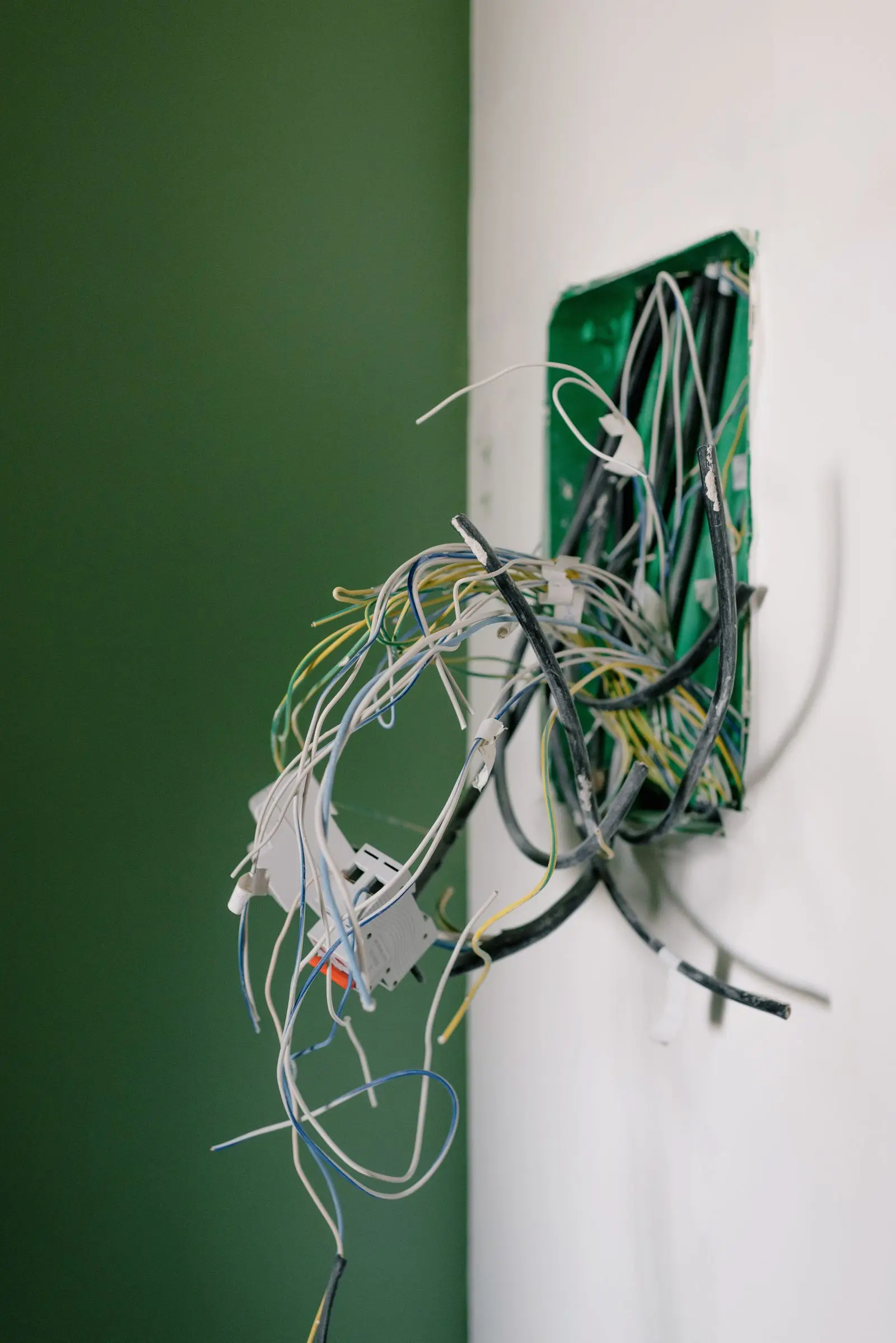
- Look at exposed cable in the attic, basement or at the panel for the words ALUMINUM or AL.
- Silver-colored conductors
- Seen at the panel by an electrician with the cover removed. Tinned copper in older homes is also silver, so color alone is not proof.
- Build date
- Houses built, or rooms added, between about 1965 and 1973.
- Warning signs at devices
- Warm cover plates, flickering not traced to a bulb, the smell of hot plastic, or dead outlets on a working circuit.
The repair options compared
| Method | What is done | Notes |
|---|---|---|
| Complete rewire in copper | All aluminum branch circuits replaced | Removes the issue entirely. The most disruptive option. See house rewiring. |
| COPALUM crimp | A copper pigtail is cold-welded to each aluminum wire with a special tool and insulated | Recognized by the CPSC as a permanent repair. Only installers trained by the manufacturer can do it, and availability is limited in many areas. |
| AlumiConn connector | A listed set-screw lug joins each aluminum wire to a copper pigtail | Recognized by the CPSC as a permanent repair when installed to the specified torque. |
| CO/ALR devices | Outlets and switches rated for aluminum replace the originals | Addresses devices only, not splices or fixtures. The CPSC does not consider it a complete repair. |
Ordinary twist-on connectors, including those marketed for aluminum-to-copper splices, are not recognized by the CPSC as a permanent repair.
How a connection-by-connection repair runs
Count the connections
Every outlet, switch, light, fan, hard-wired appliance and junction box on an aluminum circuit is listed. A typical house has well over a hundred.
Check box space
Pigtail connectors take room. Shallow boxes may need extensions or replacement.
Repair each connection
Each aluminum conductor is joined to a short copper lead, and the copper lead goes to the device.
Find the hidden splices
Junction boxes in attics and behind fixtures are located and repaired too. Missing them leaves the hazard in place.
Document
A written record of the method and the number of connections is what insurers and buyers ask for.
Where this guidance comes from
The repair methods above follow the Consumer Product Safety Commission's publication on repairing aluminum wiring, which is the reference most insurers and inspectors rely on. Insurance treatment varies by company: some accept a documented connector repair and some require full replacement. Ask your insurer in writing which repair it accepts before you commit to one.
Aluminum wiring terms explained
- Pigtail
- A short copper lead joined to the aluminum wire, so the device connects to copper.
- COPALUM
- A crimp connector that cold-welds aluminum to copper, applied with a dedicated tool by trained installers.
- AlumiConn
- A listed set-screw connector with separate ports for aluminum and copper conductors.
- CO/ALR
- The marking on outlets and switches rated for direct connection to aluminum wire.
What to gather before an aluminum wiring quote
The year the house was built or extended
And which rooms were added later.
A count of devices
Outlets, switches and light fixtures, room by room.
Your insurer's position
In writing, stating which repair method it accepts.
Aluminum wiring questions
Is aluminum wiring illegal?
No. Existing aluminum branch wiring may remain. The concern is the condition of its connections.
Can I just replace the outlets myself?
Standard outlets are marked for copper only and will make the problem worse. Even CO/ALR devices leave splices and fixtures untreated.
Does every connection really need repair?
Yes. A partial repair leaves untreated connections that fail in the same way.
How do I know if my house has aluminum wiring?
Look for AL or ALUMINUM printed on cable jackets in the attic, basement or at the panel, and check whether the house was built or extended between about 1965 and 1973.
Is aluminum wiring safe if nothing has gone wrong?
The risk is at connections and grows with age and load. A house can go decades without trouble and still have connections close to failure, which is why repair is advised.
How long does a pigtail repair take?
Typically a few days for an average house, depending on the number of connections and how many boxes need enlarging.
Is repair cheaper than rewiring?
Usually by a wide margin. Published rewiring figures are in the house rewiring cost guide.
Talk to an electrician about aluminum wiring repair
Call to be connected with an independent electrical contractor near you, or leave your number and one will call back.
(888) 555-0167Call availability varies by area and time of day
Breakerwick is a referral service. Your call or request goes to an independent electrical contractor that sets its own prices and schedule. Ask for the license number, proof of insurance and a written scope before work starts. How this works
Request a callback
Leave a number and an electrical contractor in your area will call you.